

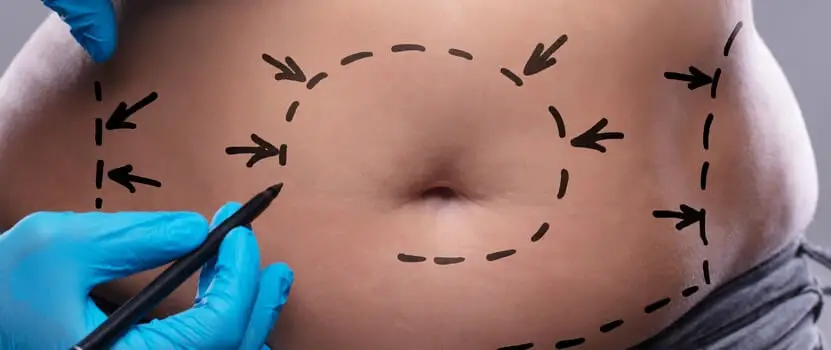

How Much Weight Can You Lose With Liposuction?
Most patients lose very little weight from liposuction. While the procedure removes fat cells, it is not a weight loss treatment and should not be measured by the number on the scale. Instead, liposuction is designed to improve body shape, proportions, and how clothing fits, not overall body weight.
This is one of the most common questions patients ask during consultations, and it’s an important one to answer clearly before considering treatment.
Why Liposuction Is Not a Weight Loss Procedure
Liposuction removes fat volume, not body weight in the way diet or exercise does. Fat tissue is relatively light compared to its size, which means removing a noticeable amount of fat often results in only a small change on the scale.
Because of this, liposuction is not intended to treat obesity or replace healthy weight-loss habits. Ideal candidates are typically already close to a stable weight but struggle with localized fat deposits that do not respond to diet or exercise.
Measuring liposuction results by pounds lost often leads to disappointment, even when the cosmetic outcome is excellent.
Why Diet and Exercise Can’t Target Fat (And Liposuction Can)
One of the biggest myths about body contouring is the idea of “spot reduction.” While diet and exercise can reduce overall body fat, they cannot control where fat comes off first. Genetics largely determine where the body holds on to fat the longest.
Liposuction works differently. By physically removing fat cells from targeted areas, it allows precise shaping of problem zones that remain resistant despite a healthy lifestyle.
Dr. Bill Johnson explains this concept below and why liposuction remains the gold standard for targeted fat removal.
What Patients Actually Notice After Liposuction
Although the scale may barely change, patients often notice meaningful improvements such as:
Clothing fitting looser or more proportionately
Reduced waistline or abdominal fullness
Improved contour in areas like the abdomen, flanks, thighs, arms, or neck
A more balanced overall body shape
These changes are best seen visually and felt in everyday life, rather than measured in pounds.
How Much Weight Do Most Patients Lose? (Realistic Answer)
In most cases, patients lose only a few pounds, and some may not see any significant change on the scale at all. Even when multiple areas are treated, the total weight removed is usually modest and intentionally limited for safety reasons.
It’s also common for early post-procedure swelling or fluid shifts to temporarily mask any small weight changes. Long-term body weight is influenced far more by lifestyle habits than by liposuction itself.
Who Liposuction Is (and Is Not) For
Liposuction may be a good option if you:
Are near a stable weight
Have stubborn fat deposits that don’t respond to diet or exercise
Want improved body contour rather than weight loss
Understand that results are about shape, not pounds
Liposuction is not intended for:
Significant weight loss
Treating obesity
Replacing healthy nutrition or exercise
Patients seeking dramatic changes on the scale
Clear expectations are essential to achieving satisfaction with the procedure.
If Your Goal Is Body Shape, Not the Scale
If your goal is to refine body contours, reduce stubborn fat, and improve proportions, liposuction may be an effective option. The best way to determine candidacy is through a personalized consultation where anatomy, goals, and expectations can be reviewed in detail.
You can learn more about awake liposuction, pricing, recovery, and how it compares to other options on the following pages:
If you have questions about whether liposuction is appropriate for your goals, our team at Innovations Medical is happy to help you understand your options and what results are realistic.